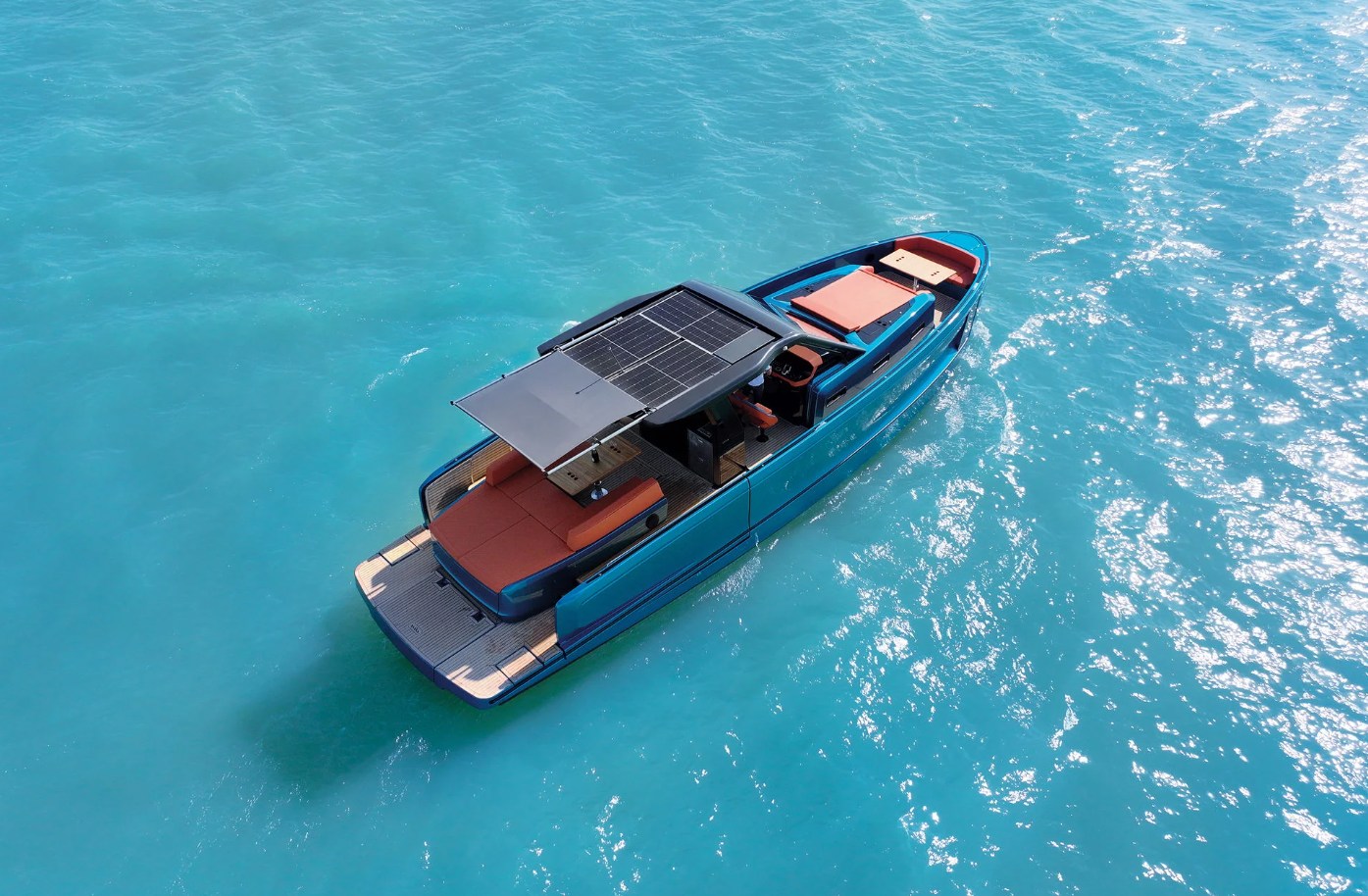
After months of storage, a boat’s electrical system may not be ready for immediate use. Batteries can lose charge, terminals can corrode, wiring can deteriorate, and equipment may develop faults while sitting unused. Before heading onto the water, boat owners should inspect the entire power system and address problems early. Boat Work Times helps boat owners with marine repair needs, while basic knowledge of marine electrical repair can make seasonal preparation more organized and effective.
Start With the Battery System
Batteries should be one of the first areas checked after a boat comes out of storage. Even a battery that appeared healthy at the end of the previous season may lose capacity during extended periods without use.
Check the battery compartment for:
- Corrosion around terminals
- Loose cable connections
- Damaged insulation
- Physical swelling or cracks
- Signs of moisture
- Unusual odors
A battery should also be tested rather than judged only by its appearance. If voltage drops quickly after charging, the battery may have lost capacity and could require replacement.
However, replacing the battery is not always the complete solution. If a new battery repeatedly loses its charge, the charging system or another electrical circuit may be responsible.
Inspect Terminals and Connections
Electrical connections are particularly vulnerable in a marine environment. Salt, humidity, condensation, and temperature changes can contribute to corrosion.
Pay close attention to battery terminals, ground connections, fuse holders, switches, and accessible wiring connections. A connection may appear secure while corrosion has already developed inside the terminal.
Cleaning visible corrosion can help in some cases, but severely damaged terminals or wiring may need replacement. Professional marine electrical repair can help locate problems that are hidden behind panels or inside connectors.
Test the Charging System
The charging system keeps the batteries ready while the engine operates. Depending on the boat, this may involve an alternator, charger, regulator, shore-power system, or other components.
A seasonal inspection should confirm that the battery receives the expected charging voltage while the engine is running. If the voltage remains unusually low, the issue could involve the alternator, regulator, wiring, belt, or battery itself.
Owners should also inspect charging cables for signs of heat damage or corrosion. Excessive resistance in a connection can affect charging performance and may cause components to become warmer than expected.
Check Fuses and Circuit Breakers
Every major electrical circuit should have appropriate protection. Fuses and breakers help prevent excessive current from damaging wiring and equipment.
Before the boating season begins, check accessible fuse panels and circuit breakers for corrosion, heat damage, loose connections, or signs of repeated tripping.
A breaker that trips once may have responded to a temporary overload. A breaker that repeatedly trips deserves further investigation.
Replacing a fuse with one of a higher rating is especially dangerous because the circuit may no longer have adequate protection. If a fuse continues to fail, the underlying electrical problem should be identified.
Examine Wiring for Damage
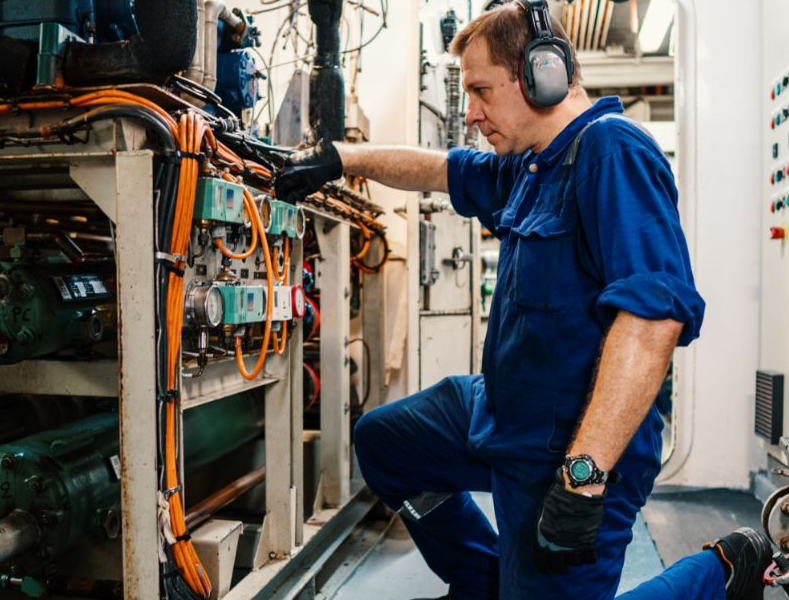
Boat wiring experiences vibration and moisture throughout its service life. Wiring can become damaged around engine compartments, battery areas, bilge spaces, and equipment mounting points.
Look for:
- Cracked insulation
- Discolored wires
- Loose cable supports
- Exposed conductors
- Chafing against metal surfaces
- Improperly secured connections
Wires should be routed and supported so they do not move excessively or rub against sharp edges.
When wiring problems are widespread or difficult to trace, marine electrical repair may involve testing individual circuits and replacing damaged sections instead of simply repairing the most visible fault.
Test Navigation and Communication Equipment
Navigation electronics should be tested before the first serious trip of the season. Turn on GPS units, chartplotters, depth finders, radios, radar equipment, and other installed electronics.
Pay attention to unusual behavior such as:
- Slow startup
- Unexpected shutdowns
- Screen flickering
- Repeated system resets
- Intermittent power
- Error messages
These symptoms do not automatically mean that the electronic device itself has failed. Poor connections or unstable power can create similar problems.
Testing equipment while the boat is still at the dock gives owners an opportunity to investigate problems without dealing with them offshore.
Do Not Forget Bilge Pumps
Bilge pumps should receive special attention during seasonal preparation. A pump that does not activate automatically can become a serious problem if water enters the boat while it is unattended.
Test both automatic and manual operation where applicable. Check the float switch, fuse, wiring, connections, and pump motor.
Also inspect the area around the pump for debris that could interfere with the float or restrict water flow.
If a pump works intermittently, the problem should be investigated before the boat is used regularly.
Inspect Shore Power Equipment
Boats that use shore power should also receive a careful inspection of their shore-power connections and related equipment.
Check cables for damaged insulation, burnt areas, loose plugs, or signs of overheating. Shore-power connections should remain clean and dry, while the associated breakers and electrical panels should be inspected for corrosion or heat damage.
Any unusual smell, discoloration, or warmth around an electrical connection deserves attention before the system is used again.
Generator Systems Need Their Own Inspection
If the boat has an onboard generator, its electrical output and supporting systems should be tested before extended use.
The generator may depend on several interconnected systems, including:
- Starting batteries
- Fuel delivery
- Cooling
- Control panels
- Wiring
- Circuit breakers
- Output connections
A generator that starts but produces unstable electrical output may have a problem that requires professional diagnosis. Seasonal testing can identify these issues before they affect appliances or other onboard equipment.
When Professional Service Makes Sense
Some seasonal checks are straightforward, but more complicated electrical faults require proper diagnostic equipment. Professional service is especially useful when a boat has recurring battery discharge, unexplained power loss, overheating wires, repeated breaker trips, or multiple systems experiencing intermittent failures.
During marine electrical repair, a technician can test circuits, inspect voltage drops, trace wiring faults, and determine whether the problem comes from a single component or a larger section of the electrical system.
Addressing the underlying cause is important because temporary fixes may allow the problem to return later in the season.
Final Thoughts
Preparing a boat’s electrical system before the season can prevent many avoidable problems. Batteries, connections, wiring, charging equipment, navigation electronics, bilge pumps, shore power, and generators should all be checked before regular use begins.
A seasonal inspection is also a good opportunity to identify small electrical faults before they affect important onboard systems. When problems continue despite basic maintenance, professional marine electrical repair can help determine the source and restore dependable performance.