
Preparing a boat for a new season involves more than checking the engine and cleaning the hull. The interior deserves careful attention as well, especially the seating that passengers use throughout every trip. An upholstery boat seat can experience significant wear from sunlight, moisture, salt, and repeated use. Inspecting and restoring marine seating before the season begins can help owners identify problems early and create a more comfortable environment onboard. If you are planning professional upholstery work, you can explore marine upholstery services here from Boat Upholstery Broward, a company specializing in boat and yacht upholstery.
Begin With a Seasonal Inspection
A detailed inspection can reveal problems that developed while the boat was in storage.
Start by examining the seats, cushions, backrests, and seams. Look for cracks, discoloration, loose stitching, and areas where the cushions no longer maintain their original shape.
Pay particular attention to:
- Helm seating
- Cockpit cushions
- Bench seating
- Bolsters
- Removable cushions
- Frequently used passenger areas
These areas often show wear first because they receive the most contact and exposure.
Check the Foam Beneath the Upholstery
The condition of the foam can affect both comfort and durability.
Foam may become compressed after years of use. If moisture reaches the inside of a cushion, it can also contribute to odors and deterioration.
An upholstery boat seat restoration provides an opportunity to inspect the internal structure rather than focusing only on the exterior. Replacing damaged foam can restore support and help the finished seat maintain its proper shape.
This step becomes particularly important for boats used frequently throughout the year.
Choose Materials for the Conditions
Every boat faces slightly different environmental conditions.
A vessel stored outdoors may experience more sunlight and rain, while a covered boat may have different moisture concerns. Boats used in saltwater also need materials that can handle repeated exposure to salt residue.
Marine-grade materials can provide useful characteristics such as:
- Strong UV resistance
- Water resistance
- Easy cleaning
- Color stability
- Mold resistance
- Long-term durability
Choosing materials according to actual conditions can help an upholstery boat seat perform better throughout the season.
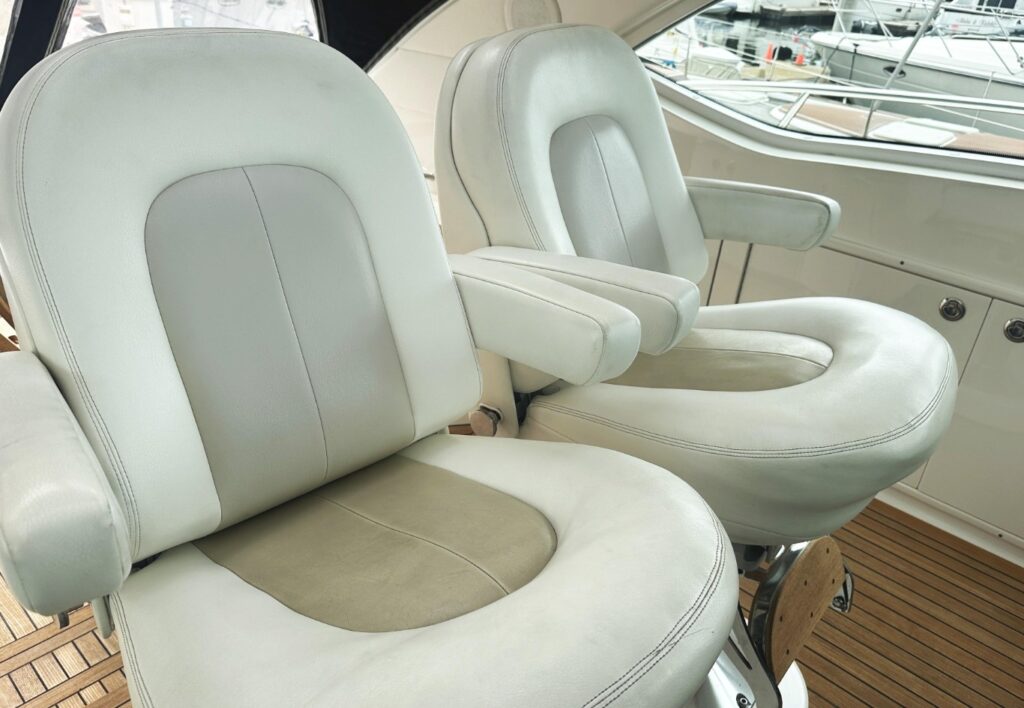
Update Comfort Along With Appearance
A new surface can make an old seat look better, but comfort should remain part of the restoration.
Consider whether cushions still provide enough support. Pay attention to areas that feel unusually soft or compressed. Backrests should also provide appropriate support for passengers during longer trips.
Updating foam and seat construction at the same time as the upholstery can produce a more complete improvement.
Consider How Your Boat Will Be Used
Seasonal preparation is also a good time to reconsider the boat’s seating needs.
Perhaps the vessel now hosts more guests than it did in previous years. Maybe longer cruising trips have become more common. These changes can influence which materials and seating configurations make the most sense.
For example, owners who spend long days fishing may prioritize durability and easy cleaning, while families may focus more heavily on cushioning and comfort.
Protect High-Use Areas
Not every part of the interior requires the same level of protection.
Helm seats and cockpit cushions often receive direct sunlight and frequent contact. These areas may benefit from particularly durable materials and additional protection when the boat is not in use.
Using covers and reducing unnecessary exposure can help preserve an upholstery boat seat between outings.
Build a Simple Cleaning Routine
Regular cleaning can prevent many avoidable problems.
Salt, sunscreen, dirt, and food particles can accumulate quickly during the boating season. Removing them after each outing helps keep the interior cleaner and reduces long-term buildup.
A useful routine includes:
- Wiping seating after trips
- Removing salt residue
- Drying wet cushions
- Cleaning spills quickly
- Checking seams regularly
- Using products suitable for marine upholstery
Simple habits can help protect the investment in a restored interior.
Storage Preparation Matters Too
The end of the boating season deserves just as much attention as the beginning.
Before long-term storage, clean and dry all seating thoroughly. Remove loose cushions when appropriate and store them in a dry, well-ventilated location.
If cushions remain onboard, use covers that protect them while still allowing adequate airflow. Trapping moisture beneath a cover can create problems that may not become visible until the next season.
Know When a Complete Restoration Makes Sense
Some seats only require minor repairs.
However, extensive cracking, widespread fading, damaged stitching, or severely compressed foam may indicate that a complete upholstery boat seat restoration is more practical.
A full project can address multiple problems at once and create a consistent appearance throughout the interior. It can also reduce the need for repeated temporary repairs.
Final Thoughts
Seasonal boat preparation should include the interior as well as the mechanical systems. Seating plays a central role in passenger comfort, and its condition can affect the overall boating experience.
An upholstery boat seat inspection or restoration before the season can identify hidden problems, improve comfort, and protect the interior from future wear. With marine-grade materials, proper storage, and consistent maintenance, boat owners can keep their seating ready for many enjoyable days on the water.